- (03) 9308 0044
- enquiries@metcalfcranes.com.au
- Mon - Fri: 7:00AM - 5:00PM
From concept to reality
Lift Engineering
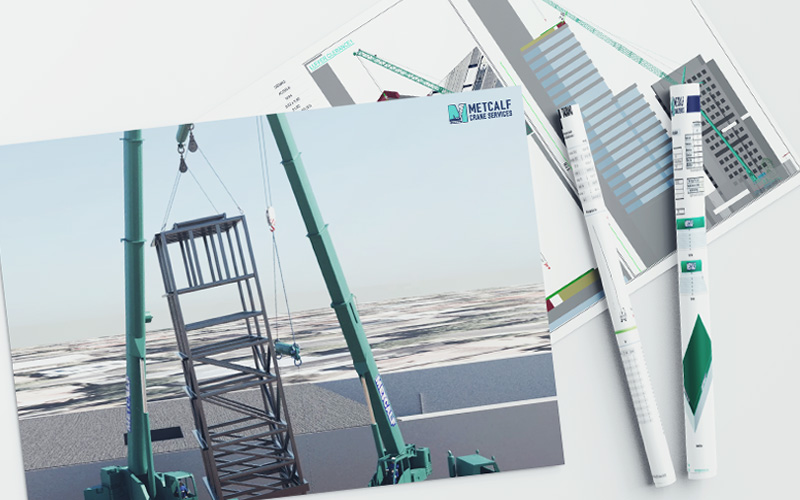
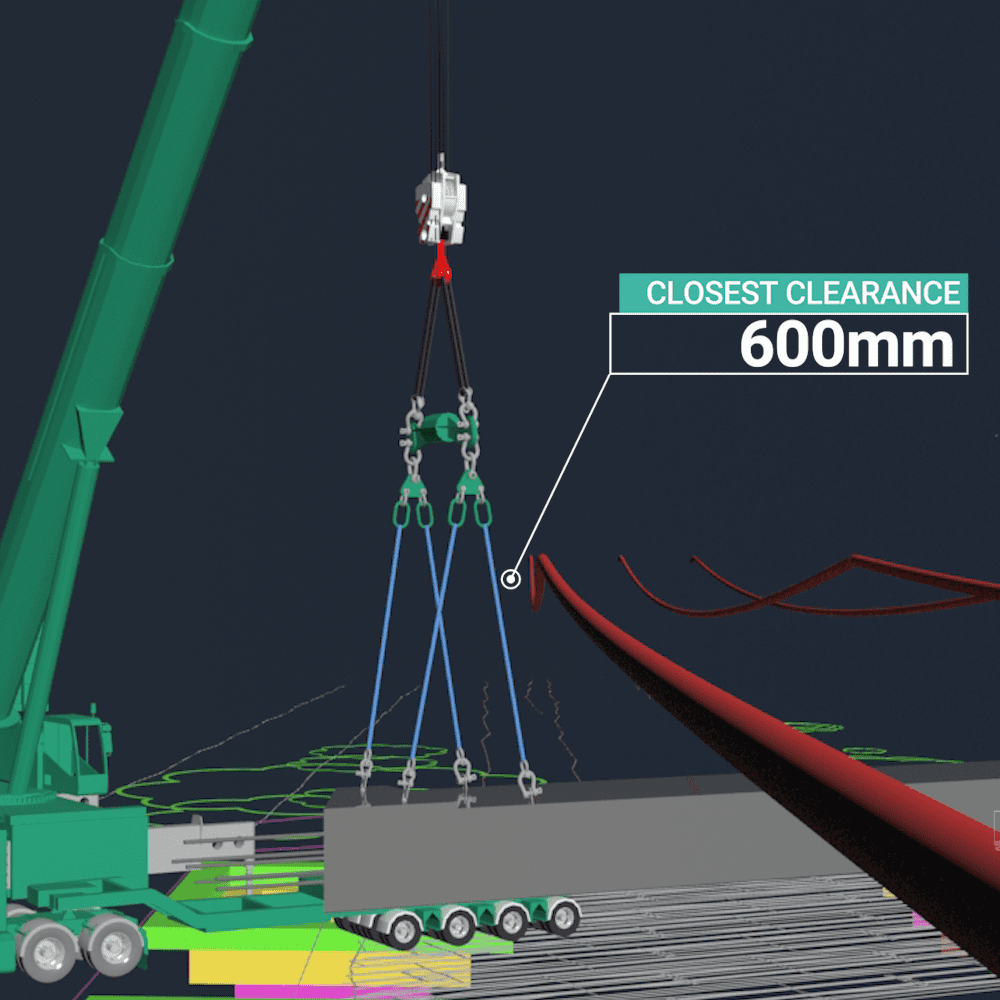
Advanced 3D animation capabilities enable us to provide
you with 'virtual' lifts.
'Virtually' see the lift happening well in advance of the actual lift,
putting your mind at ease and allowing us to address any concerns
in the lead-up.
ANALYSIS
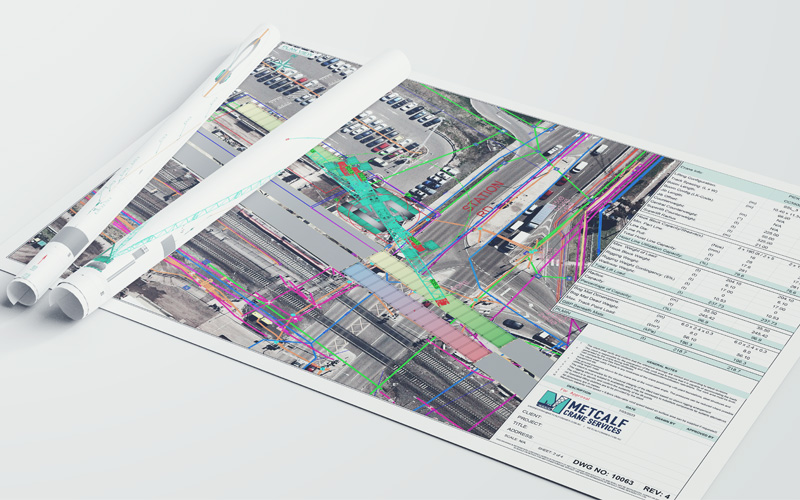
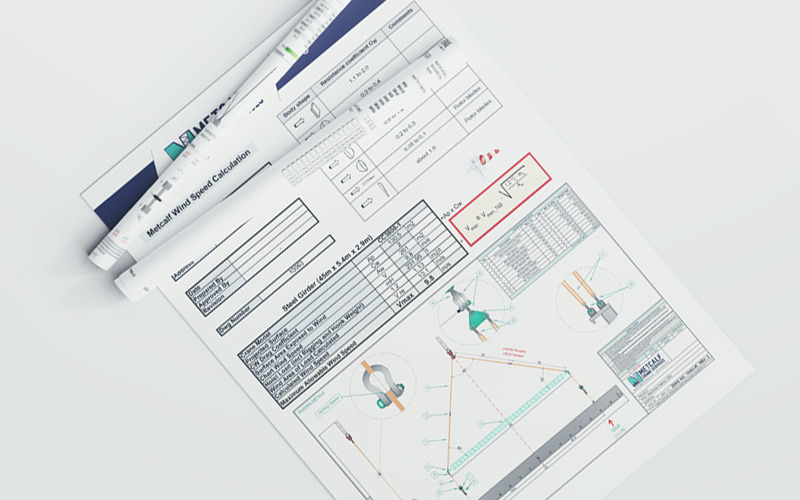
Swept paths, ground bearing pressure and rigging analysis. Load distribution, wind speed calculations and more. Our expert team analyse all the factors required to lift the load safely.
PLANNING
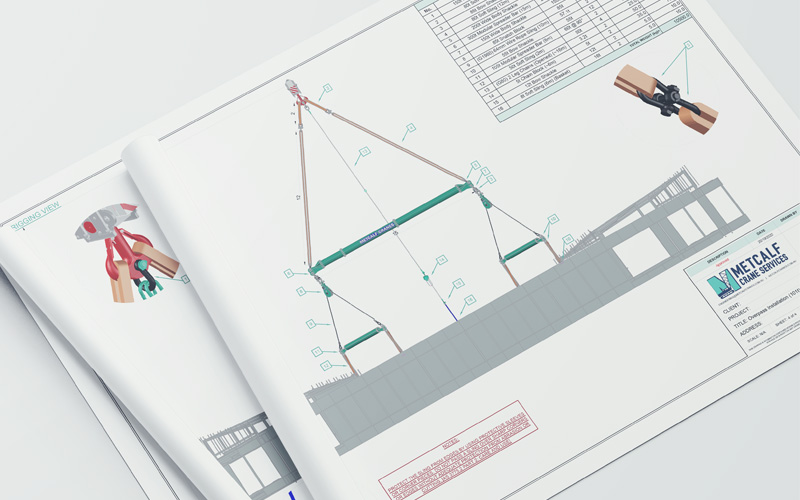
From 2D and 3D Lift plans to 3D Lift Plan Animation 'Virtual Lifts', we deliver everything you need for peace of mind and a successful lift.
RESULTS
Our experienced team take on the task of accounting for all eventualities to ensure a successful lift delivery, each and every time, even when conditions change.
“I was immensely proud of … Metcalf [Crane Services] and how they continually come up with solutions to complex problems”.
– Farid Islam, Project Engineer at John Holland Group
Capabilities
3D lift design and tying our Engineering department to the Safety department has seen significant upside in document delivery and presentation.
Our in-house engineering capability has added to the already proud history of Metcalf value-adding with the unveiling of our Metcalf Modular Spreader bars and Metcalf Sling Spreader bar.
The Process
FAQ
What is the maximum allowable wind speed?
Maximum allowable wind speed (also known as chart wind speed is provided by the crane specifications.
Maximum allowable lift wind speed is calculated on sailable area, wind coefficient and the weight of the load. Our Engineering Team will provide you with these calculations as standard.
What is the ground bearing pressure for mobile & crawler cranes?
Maximum Ground Bearing Pressure (GBP) will be calculated by our Engineering Team and accommodate the specific details of your project. GBP can be reduced with the aid of bogmats to help distribute the load.
What are the axle loads for pick & carry machines?
Axle load calculations are performed using a custom in-house spreadsheet and provided as standard.
Can you help us with rigging designs?
Yes we can. Similar to lug and lifter placements, we can work with your team to establish the optimal rigging plan to ensure you get the best value for money. This is a free service as part of your project.
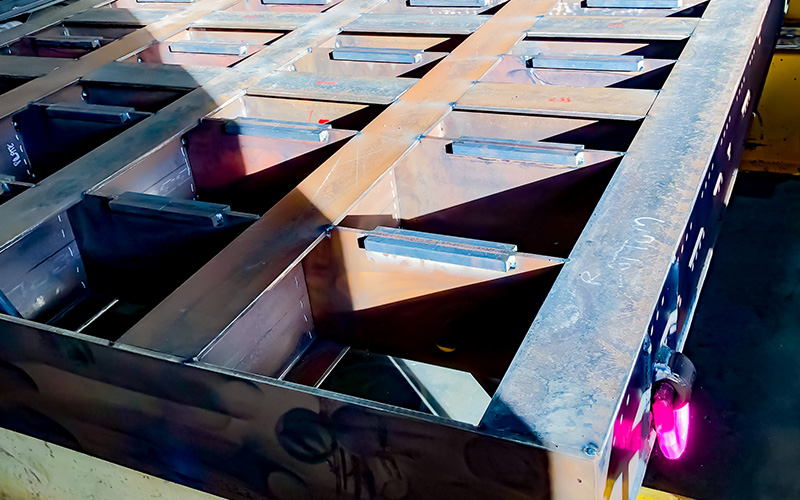
Can you help us with lug and lifter placement?
Absolutely. When engaged early, we can work with your engineering design team to ensure the load is optimally set up for lifting, saving you time and money. This service is free as part of your project.
Do you provide 3D Animations?
Yes we do. 3D Animated lift plans can be created specific to your lift. This is included for free when you book a project with us.
What is a Sling Spreader Bar?
The sling spreader bar is a rigging tool used to reduce manual handling for workers and increase productivity.
Our sling spreader bar spans up to 36m and is designed to be used in tandem with our vast collection of rigging equipment specific for heavy lifts. The bar transfers the entire load through the end links, meaning no load goes through the spreader bar itself; thus allowing it to be particularly lightweight.
When should a sling spreader bar be used?
The sling speader bar is ideal for Super T beams which are frequently used in bridge installations and road widening projects.
The sling spreader bar is designed to keep the necessary slings at their required distance and allows equalising triangles and shorter slings to be placed underneath. This eliminates the need to move the slings from the centre of the beam to the lift points which saves time and, importantly, reduces the likelihood of injury or damage from the slings swinging back when released.
Once the bar is set and rigged it does not need to be adjusted, which greatly reduces the time required to lift each beam.
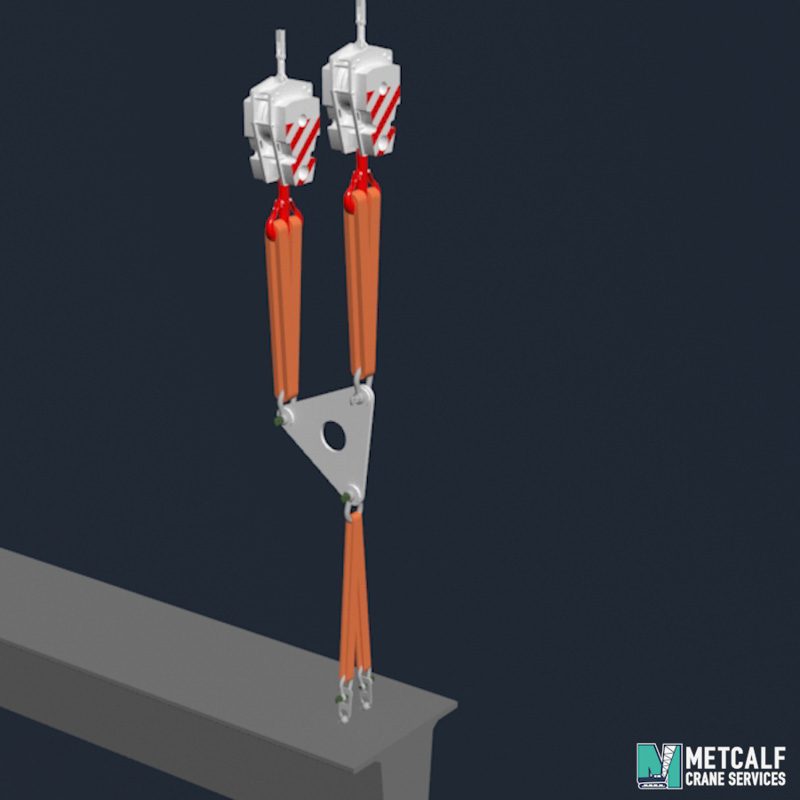
What is a Load Transfer Triangle?
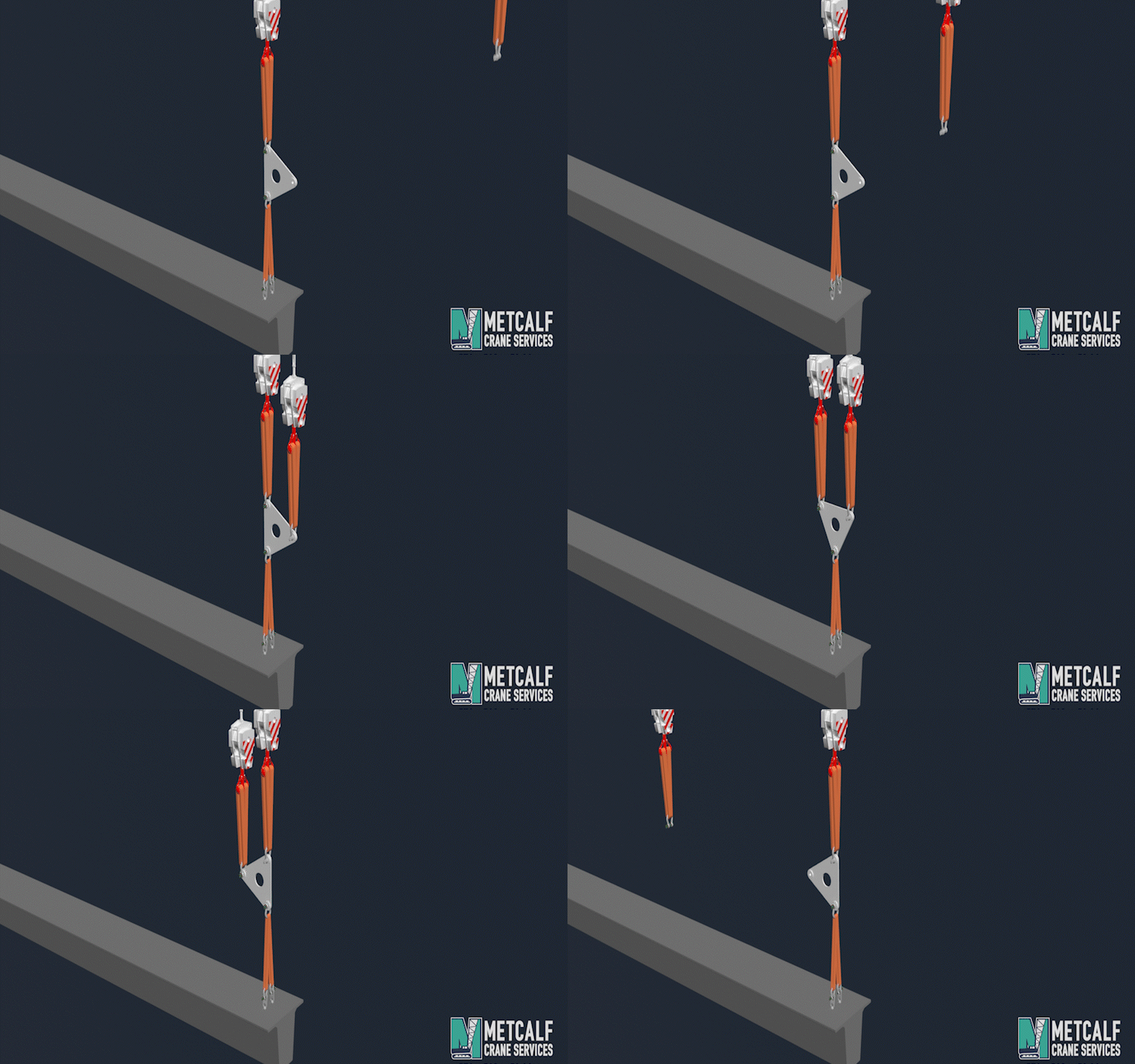
A load transfer triangle is widely used to transfer loads (mostly beams) from one crane to another.
We have load transfer triangles with a capacity of up to 55t available to assist your project.
What is an Equalising Triangle?
Equalising Triangles are commonly used to distribute force/tension equally from rigging to the lifters. This is particularly useful for precast beams, pits and other elements.
We can supply Equalising Triangles in the following capacities:
- 50t
- 85t
- 150t
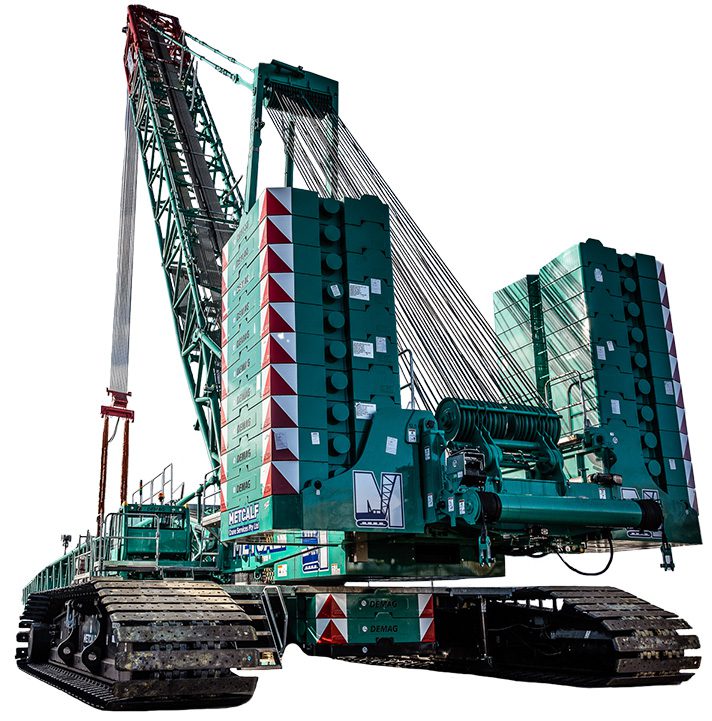
A leader in key industries such as rail, roads, and wind.
With one of the most significant fleets in the industry, we service the building and construction industry.
Our ability to get the job done on time, on budget, and with the best safety standards makes us a sought after provider on all large-scale infrastructure projects.
Testimonials
"The team was outstanding in collaborating to come up with a suitable method to install the bridge. Site constraints and the rail corridor environment was the key challenge. [...] The Metcalf team knew their cranes capabilities back to front which was essential in mitigating major risks and to set the project up for success.
David Chuong, Western Program Alliance
Senior Project Engineer
"The Metcalf crew were an absolute pleasure to work with. We had no issues at all and their cranes lifting gear and equipment were all in 100% condition. We had numerous dual and triple lifts all without an issue ,very well set up and co ordinated. Their safety and communication was at the highest standard at all times."
Jeff Trewin, Western Program Alliance
“Worked along side these boys at CD9 (caufield to dandy skyrail) they are amazing and very professional! knew we were gonna have a great day when we saw the green "giraffe" in operation!"
Raelene Kirby
Latest Posts
Career opportunities, projects, news and updates.